Workforce and training
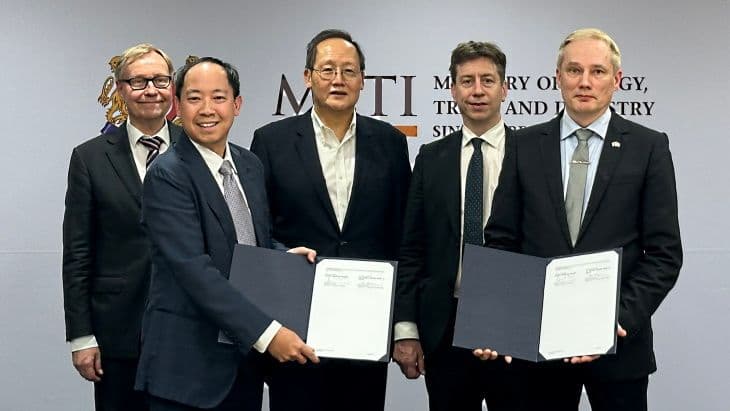
VTT and Singapore's SNRSI formalised a memorandum of understanding on 30 October, covering reactor technology assessment, safety analysis, and radioactive waste management, as Singapore advances a broader programme to develop independent nuclear expertise.
The Indian government is preparing to direct IITs, NITs and other technical institutes to introduce nuclear technology courses, as a Niti Aayog expert committee finalises a workforce development framework tied to the country's 100 GW nuclear target.
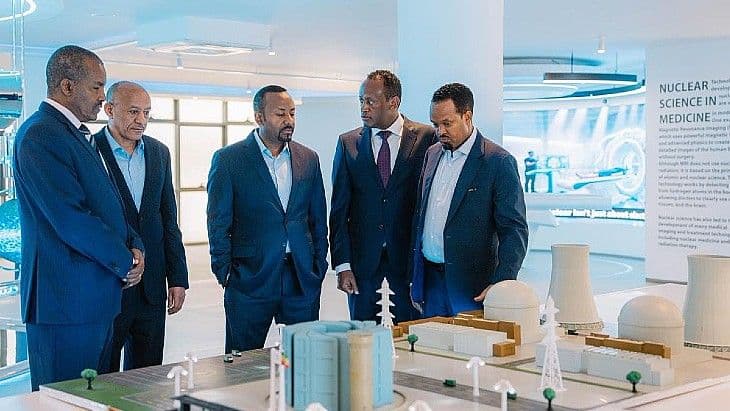
Ethiopia's prime minister has confirmed plans for two 1200 MWe nuclear units, with three candidate sites shortlisted and a draft intergovernmental construction agreement with Rosatom under coordination.
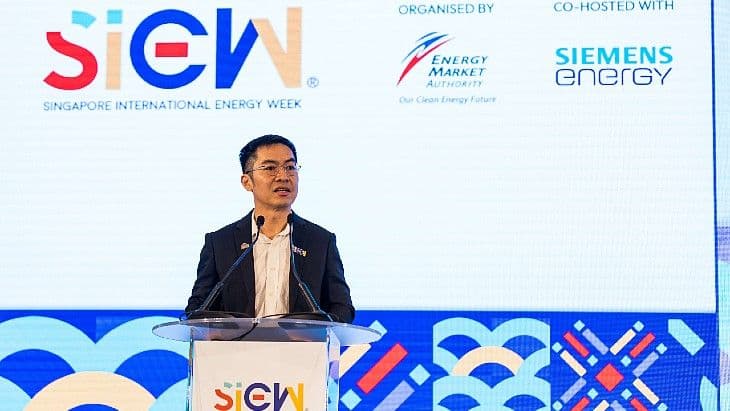
Singapore's Energy Market Authority has formalised partnerships with AtkinsRéalis, China National Nuclear Corporation Overseas and X-energy, while unveiling three structured programmes to build the national expertise needed to assess advanced nuclear energy technologies.
Savannah River Mission Completion (SRMC), a liquid waste contractor for the U.S. Department of Energy (DOE) Office of Environmental Management at the Savannah River Site (SRS), is expanding its heat safety program to mitigate heat stress for its workforce.
The University of South Carolina and Westinghouse Electric Company have established a partnership to develop a workforce program. This initiative aims to support the deployment of Westinghouse AP1000 pressurized water reactors.
India aims to achieve 100 GW of nuclear energy capacity by 2047, a significant increase from its current 8.8 GW. This expansion relies heavily on the deployment of indigenously developed Bharat Small Modular Reactors (BSMRs) in decentralized industrial settings. However, the ambitious goal faces substantial institutional, regulatory, and human resource challenges.
India aims to expand its nuclear power capacity to 100 GW by 2047, requiring an estimated $210 billion investment. Officials and industry executives highlight the need to review green finance rules, which currently exclude nuclear investments, and to develop a stronger talent pipeline. Efforts are underway to address the shortage of specialized education and training, including certification programs to build a local nuclear supply chain.
A full-scope control room simulator has been commissioned at the Xudabao nuclear plant in China, enabling operator training for the first two units before their entry into service.
Goldman Sachs warns of a looming labor shortage in the United States energy sector, projecting a need for 500,000 additional workers by 2030. The sector faces a substantial skills gap, with current apprenticeship pipelines falling short of demand. Autonomous equipment and robotics are identified as potential solutions to address the workforce deficit.
A consortium of educational, research, and construction partners has formed to prepare regional workers for employment opportunities tied to Kairos Power's advanced reactor development in Tennessee.