Policy & people
Stories matching this combination of interests.
Sign in to follow topics, choose markets, and save your own channels.
Sign in
Finnish energy company Helen has opened its Environmental Impact Assessment Programme for public consultation, formally initiating the regulatory review of a planned small modular reactor facility in Helsinki, with a site decision targeted for 2028.
The U.S. Nuclear Regulatory Commission has published a final environmental impact statement supporting a construction licence for Global Laser Enrichment's proposed laser-based uranium enrichment plant near Paducah, Kentucky.
India aims to achieve 100 GW of nuclear energy capacity by 2047, a significant increase from its current 8.8 GW. This expansion relies heavily on the deployment of indigenously developed Bharat Small Modular Reactors (BSMRs) in decentralized industrial settings. However, the ambitious goal faces substantial institutional, regulatory, and human resource challenges.

The Danish developer, formerly known as Seaborg, plans to file a Regulatory Engagement Plan with the US Nuclear Regulatory Commission in Q1 2027 for its seaMSR-100, while pursuing a dual-hub manufacturing model spanning the United States and South Korea.

The nuclear industry is prioritizing durability in both plant maintenance and policy development. Utilities are investing in upgrades and efficiency improvements, while government agencies are implementing policy changes to streamline regulatory processes.
India's data center capacity is rapidly expanding, with a more than fourfold increase projected between 2020 and 2026. This growth necessitates robust infrastructure planning, including reliable, low-carbon power sources. Nuclear energy, particularly small modular reactors (SMRs), is being considered to meet future demand.
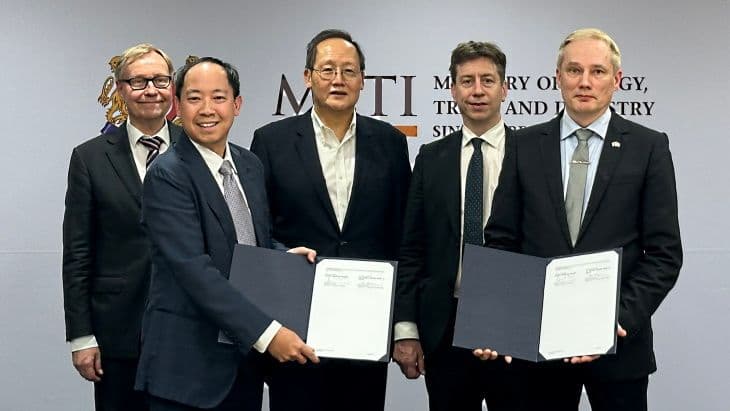
VTT and Singapore's SNRSI formalised a memorandum of understanding on 30 October, covering reactor technology assessment, safety analysis, and radioactive waste management, as Singapore advances a broader programme to develop independent nuclear expertise.
Illinois has set a goal to add 2 GW of new nuclear capacity by 2033, following the lifting of restrictions on new reactor construction. The state currently operates 11 commercial reactors, representing the largest nuclear capacity in the United States.
A new draft framework in India, intended to open the nuclear sector to private companies, may impose additional approval requirements on foreign reactors, potentially limiting investment and the flow of expertise. This could impact the country's goal of nearly tenfold nuclear capacity growth.
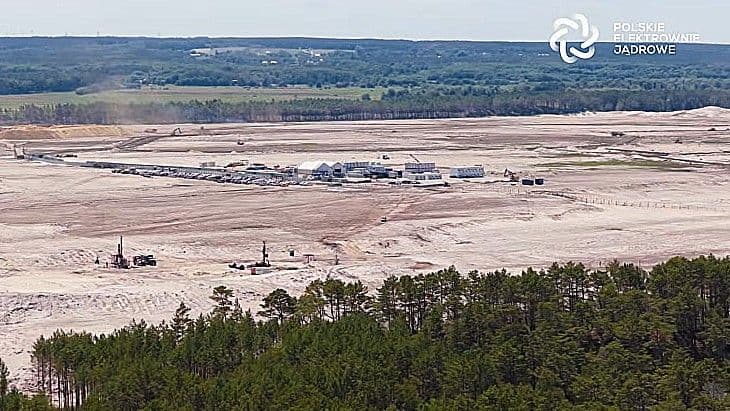
Polish nuclear developer PEJ has submitted a permit application to begin early civil works at the Lubiatowo-Kopalino site, marking a concrete regulatory step toward construction of the country's first nuclear power plant.

New Mexico Land Commissioner Stephanie Garcia Richard has issued an executive order prohibiting new uranium mining leases and related activities on state lands. The order also prioritizes the cleanup of existing legacy uranium sites within the state.
Major Indian utilities are adopting locally designed pressurised heavy water reactors to overcome project delays and leverage established domestic supply chains as the country pursues an elevenfold increase in nuclear capacity.
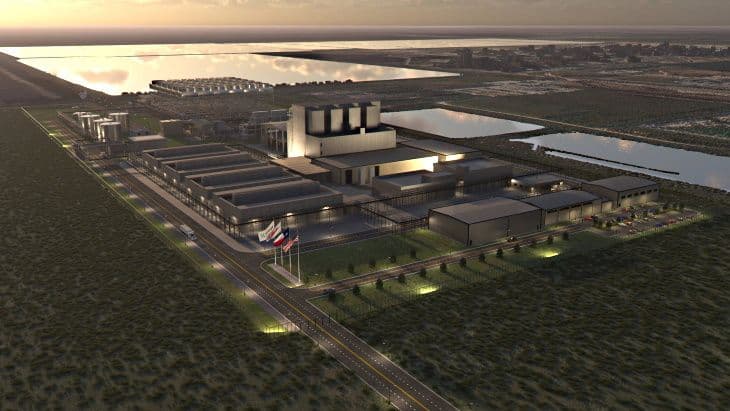
The US Nuclear Regulatory Commission has issued its Final Safety Evaluation Report for the Long Mott Generating Station, completing both primary reviews required before a construction permit can be granted for the four-unit Xe-100 high-temperature gas-cooled reactor project.
The Nuclear Regulatory Commission has proposed a new rule addressing two key areas: establishing risk-informed criteria for protecting drinking water near uranium in situ recovery (ISR) sites and streamlining the process for extending decommissioning timelines for all licensees.
Draft licensing and safety rules enable private and foreign participation in nuclear energy development, with operators required to demonstrate financial and technical capabilities across the fuel cycle.
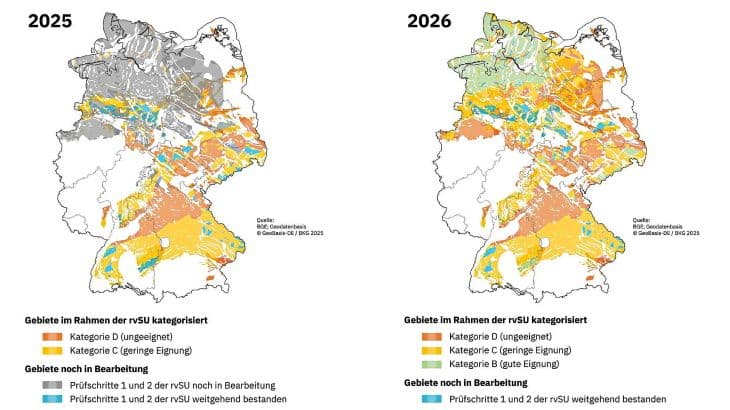
The Federal Company for Radioactive Waste Disposal has sharply narrowed its investigation zone for a permanent high-level radioactive waste repository, reducing the area under active consideration from roughly one quarter of Germany's total land surface to less than 5% within a single year.
The Department of Energy established a new research center in January 2026 to generate performance data on used nuclear fuel storage and transportation, addressing regulatory and operational needs across the U.S. nuclear fleet.
New draft regulations for India's nuclear sector introduce a unified licensing framework for private participation while restricting foreign reactor designs to self-reliant nations.
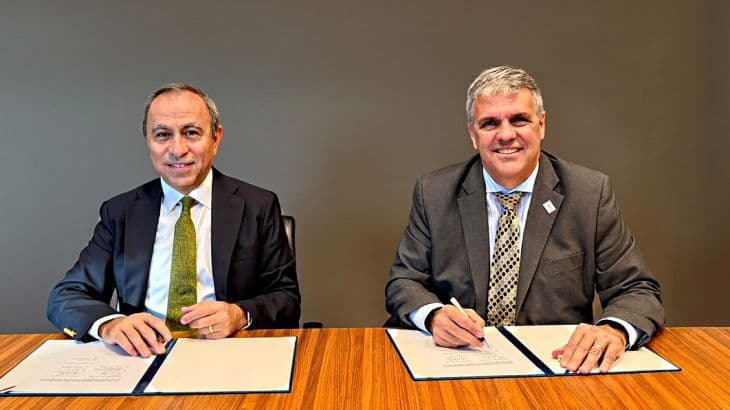
The US Trade and Development Agency has signed a technical assistance agreement with Turkish oil refiner TÜPRAŞ to conduct a one-year evaluation of US small modular reactor technologies, as Turkey pursues a target of 5 GW of SMR capacity by 2050.
India aims to operationalize five new nuclear reactors by 2030 and reach 100 GW of capacity, supported by legislative framework and domestic technology development.