Fuel & operations
Stories matching this combination of interests.
Sign in to follow topics, choose markets, and save your own channels.
Sign inStandard Nuclear says construction is substantially complete for two under-construction TRISO fuel production sites and that the Department of Energy has approved preliminary documented safety analyses for both facilities, while the company participates in DOE fuel-related programs and receives HALEU for fuel production.
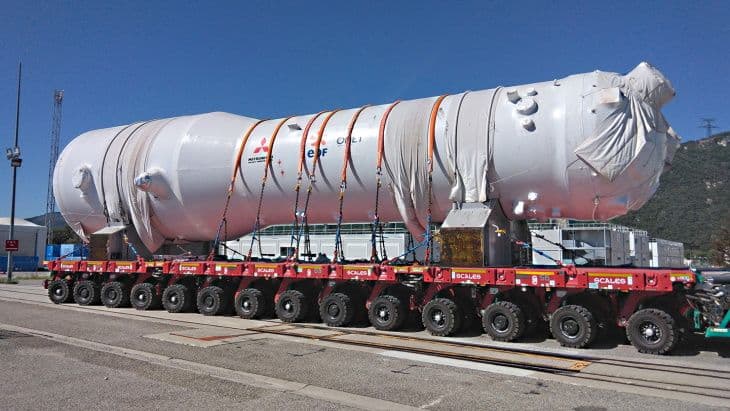
Mitsubishi Heavy Industries (MHI) has delivered replacement steam generators to France, fulfilling an order placed by EDF in 2019. These components are crucial for the continued operation of pressurized water reactors (PWRs) and support France's policy of extending nuclear power plant lifespans.
SuperCritical Materials says it has obtained a Department of Energy license for a patented uranium and critical materials adsorbent manufacturing process, aiming to support industrial-scale uranium extraction from seawater in the United States and abroad.
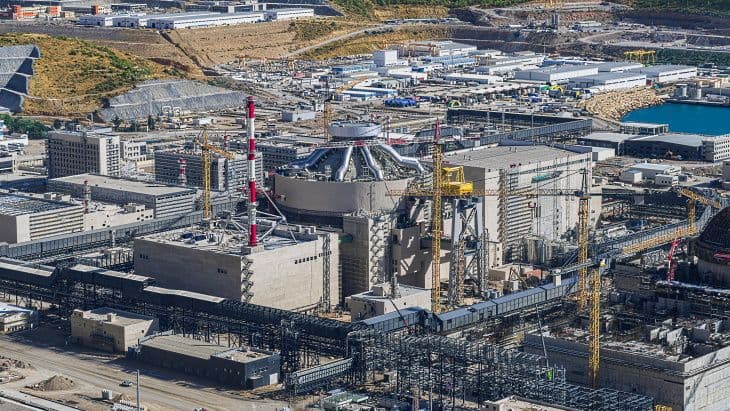
Akkuyu 1, Turkey's first nuclear power plant, has successfully completed cold hydraulic tests on its primary circuit. This milestone confirms the integrity and readiness of safety-critical components, moving the unit closer to physical startup and its goal of supplying electricity by the end of 2026.
The nuclear industry is undergoing a significant transformation, marked by the extension of existing plant operating lives, the progression of new reactor technologies from concept to construction, and increased investment in domestic manufacturing and fuel production. Utilities are also focusing on strengthening supply chains to support future operations.

BWXT's BANR microreactor has been chosen for an Indigenous-led Transportable Nuclear Power Plant (TNPP) project in Canada. The project aims to validate logistics and operations for a potential fleet deployment across Canada's North and international markets.
Advanced automation tools are helping utilities optimize complex fuel-handling workflows while managing operational risk in an increasingly demanding energy landscape.

TRISO-X, a subsidiary of X-Energy, has announced that its TX-1 fuel fabrication facility is moving into the interior buildout phase, including the installation of fuel fabrication equipment. This development follows the granting of a 40-year Special Nuclear Material License by the US Nuclear Regulatory Commission, enabling commercial manufacturing of high-assay low-enriched uranium (HALEU) fuel. The facility is designed to produce 700,000 TRISO-X fuel pebbles annually, sufficient to fuel up to 11 Xe-100 reactors.
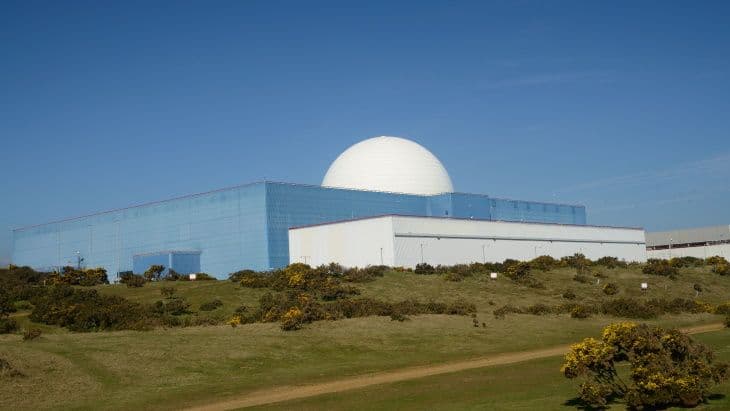
Framatome has renewed its long-term service agreement with EDF for the Sizewell B nuclear power plant, extending maintenance and outage activities through 2040. The agreement supports the plant's operational challenges and its 20-year lifetime extension.
The Savannah River Site has recommenced shipments of remote-handled legacy transuranic waste to the Waste Isolation Pilot Plant in New Mexico. This resumption utilizes a new heavy-duty shielded container, with the first shipment successfully completed as announced by the Department of Energy’s Office of Environmental Management.
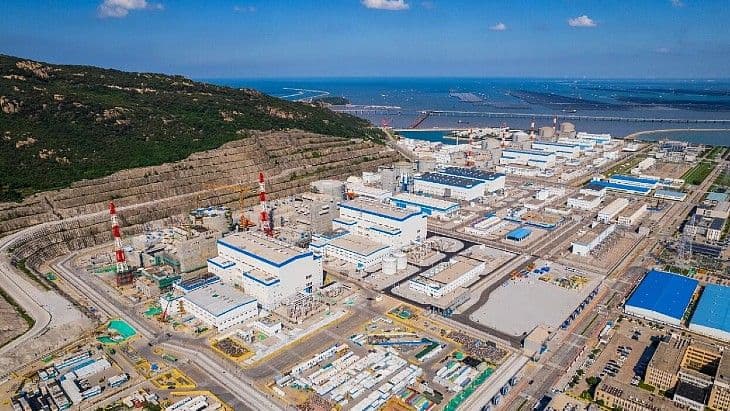
Tianwan Unit 7, a VVER-1200 reactor, has connected to the grid in China, delivering its first electricity on October 8. This milestone follows the reactor achieving a self-sustaining controlled nuclear chain reaction. The unit will undergo further testing before commercial operation.
Kinectrics has been engaged to perform a technical assessment of Clean Core Thorium Energy's ANEEL fuel qualification initiative, examining design, manufacturing, safety, and regulatory readiness.
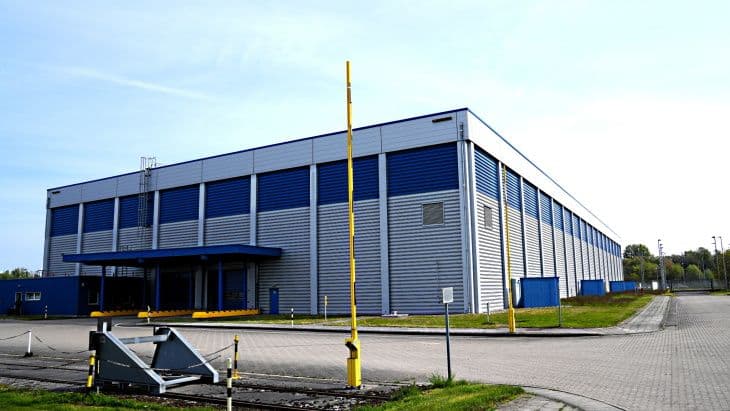
A new uranium oxide (U3O8) storage facility has been commissioned at the Gronau plant, fulfilling a requirement from its 2005 expansion license. This facility is crucial for managing depleted uranium, a byproduct of the enrichment process, and allows for the long-term storage of U3O8 converted from uranium hexafluoride (UF6) at other sites.

Google and Oracle have entered into agreements to support nuclear power plant operations in the United States. Google's 20-year power purchase agreement with Constellation Energy will facilitate investments in 11 nuclear units, adding 890 MW of capacity and creating jobs. Oracle has committed to subscribing to a portion of the electricity from the Point Beach nuclear power plant in Wisconsin.

The European Investment Bank (EIB) has announced its first investment in small modular reactor (SMR) technology, providing a convertible loan to Steady Energy. This funding will support Steady Energy's research and development, testing, and licensing activities for its LDR-50 SMR, a heat-only reactor designed for district heating and industrial applications. The investment aligns with the European Commission's goal to deploy SMRs by the early 2030s.

The Department of Energy has issued a conditional loan commitment to Vistra for upgrades and uprates at its nuclear power plants in Pennsylvania and Ohio, with an option for future financing at a Texas plant. These investments aim to increase electricity generation, extend operational licenses, and create jobs.

Orano and Korea Hydro & Nuclear Power (KHNP) have signed a letter of intent to expand their collaboration in uranium enrichment, aiming to strengthen the nuclear fuel supply chain. This agreement builds on a previous memorandum of understanding and signifies a strategic move to diversify enrichment sources amidst global market uncertainties.

Framatome has secured its first contract to supply higher enriched fuel reloads using its Advanced Fuel Management (AFM) technology, with deliveries scheduled to begin in early 2028. This agreement marks a significant step in nuclear fuel technology, enabling extended cycle lengths and improved burnup rates for an operational reactor. The AFM program integrates enrichment services, regulatory licensing, and fuel fabrication, with manufacturing taking place at Framatome's facility in Richland, Washington.

France is moving forward with the decommissioning of its gas-cooled reactor fleet, with Chinon A2 serving as a benchmark project. The validation of the contractual strategy for dismantling Chinon A2's heat exchangers marks a significant step, paving the way for operational phases to begin by mid-2028. This project involves collaboration between EDF and Cyclife Engineering, and builds on lessons learned from previous decommissioning efforts.

The US Department of Energy's Nuclear Energy Launch Pad initiative has selected 12 recipients for projects spanning reactor development and nuclear fuel cycle advancements, including fabrication, enrichment, and conversion technologies. This initiative, building on earlier pilot programs, aims to accelerate the deployment of advanced nuclear technologies by private industry.