Nuclear fuel cycle
Newcleo has inaugurated its EUR10 million advanced nuclear fuel engineering, testing, and training center in Chusclan, France. The FASTER facility will support the development and manufacturing of mixed uranium/plutonium oxide (MOX) fuel for Newcleo's small modular lead-cooled fast reactors.
Bluecore Energy has announced significant progress in the development of its 10 MW pressurized water reactor (PWR) for maritime applications. Key milestones include the purchase of low-enriched uranium, ongoing engagement with U.S. regulatory bodies, and advancement in its maritime classification pathway.
The nuclear industry is navigating a complex landscape marked by workforce development needs, financial restructuring, and evolving regulatory frameworks. Recent events highlight challenges in advanced reactor development, fuel cycle projects, and plant operations.
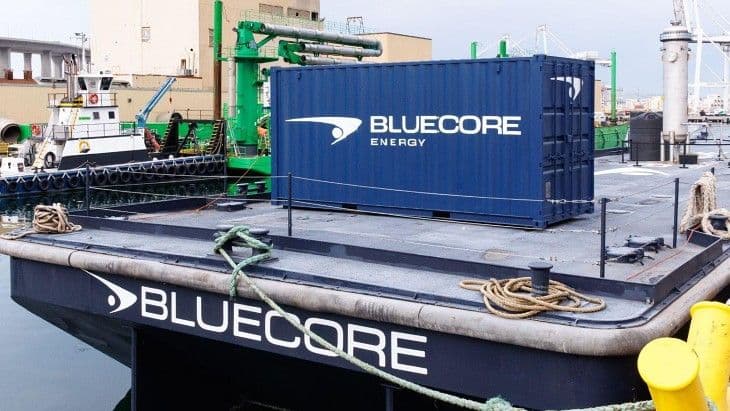
Bluecore Energy has acquired uranium hexafluoride enriched to 4.95% uranium-235, marking a step toward developing its maritime nuclear energy systems. The uranium is stored at a US nuclear fuel facility. This acquisition supports the company's progress in reactor design and hardware development, moving towards future fueled testing.
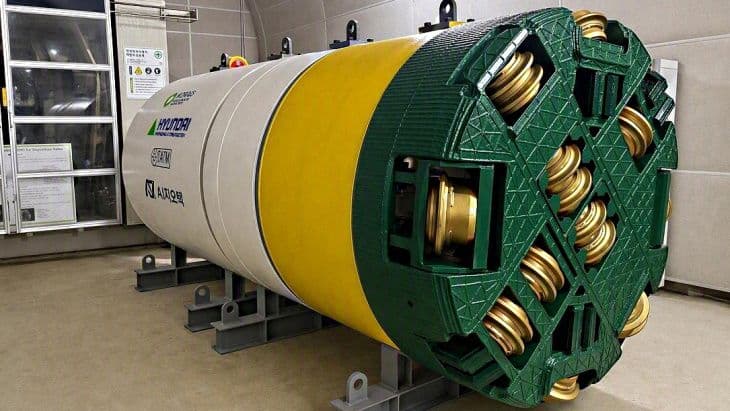
Hyundai E&C has developed and tested specialized excavation equipment for used nuclear fuel disposal facilities as part of a government-funded R&D project. The equipment, designed for deposition holes, features a foldable cutterhead for repeated use and was verified through full-scale rock excavation in an underground research tunnel.
Mohammad Eslami, head of Iran's Atomic Energy Organisation, stated that Iran will not cease uranium enrichment or surrender its uranium, despite renewed US warnings concerning its nuclear facilities.
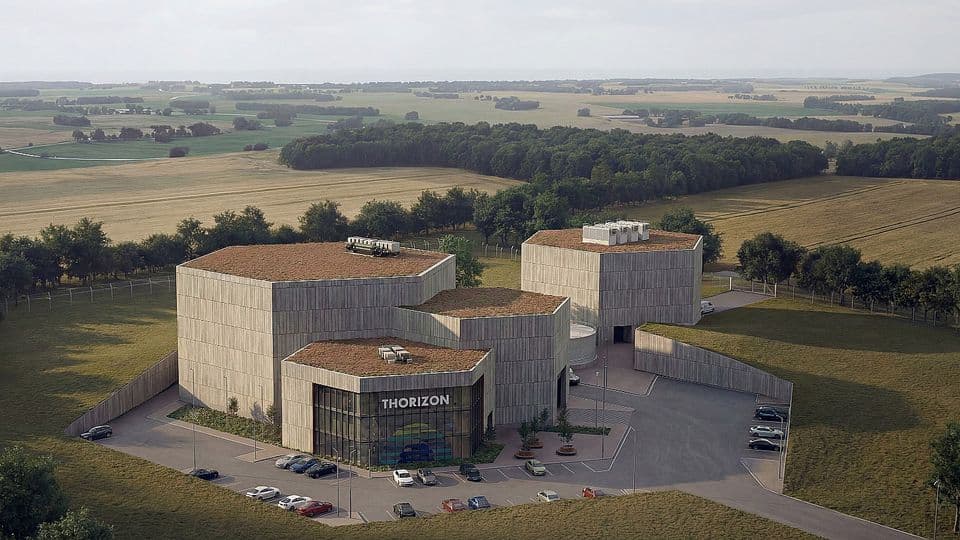
Thorizon and Urenco have announced a collaboration to develop the fuel cycle for molten salt reactors (MSRs). The partnership will focus on exploring enrichment services, Urenco's role in the molten salt fuel supply chain, and methods to enhance uranium utilization.
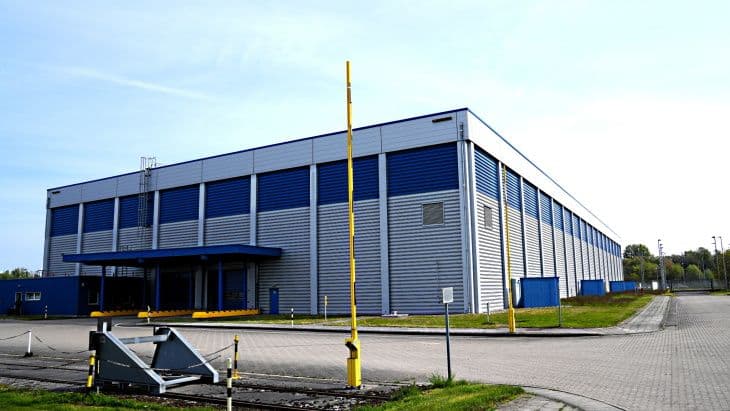
A new uranium oxide (U3O8) storage facility has been commissioned at the Gronau plant, fulfilling a requirement from its 2005 expansion license. This facility is crucial for managing depleted uranium, a byproduct of the enrichment process, and allows for the long-term storage of U3O8 converted from uranium hexafluoride (UF6) at other sites.

BWXT's BANR microreactor has been chosen for an Indigenous-led Transportable Nuclear Power Plant (TNPP) project in Canada. The project aims to validate logistics and operations for a potential fleet deployment across Canada's North and international markets.
The Uranium Corporation of India Limited (UCIL) plans to significantly contribute to India's nuclear energy expansion. UCIL has developed expertise and infrastructure in uranium mining and processing over six decades, supporting the country's nuclear power program.

TRISO-X, a subsidiary of X-Energy, has announced that its TX-1 fuel fabrication facility is moving into the interior buildout phase, including the installation of fuel fabrication equipment. This development follows the granting of a 40-year Special Nuclear Material License by the US Nuclear Regulatory Commission, enabling commercial manufacturing of high-assay low-enriched uranium (HALEU) fuel. The facility is designed to produce 700,000 TRISO-X fuel pebbles annually, sufficient to fuel up to 11 Xe-100 reactors.

Framatome has secured its first contract to supply higher enriched fuel reloads using its Advanced Fuel Management (AFM) technology, with deliveries scheduled to begin in early 2028. This agreement marks a significant step in nuclear fuel technology, enabling extended cycle lengths and improved burnup rates for an operational reactor. The AFM program integrates enrichment services, regulatory licensing, and fuel fabrication, with manufacturing taking place at Framatome's facility in Richland, Washington.